
Top Trends of Window Display in Retail 2026
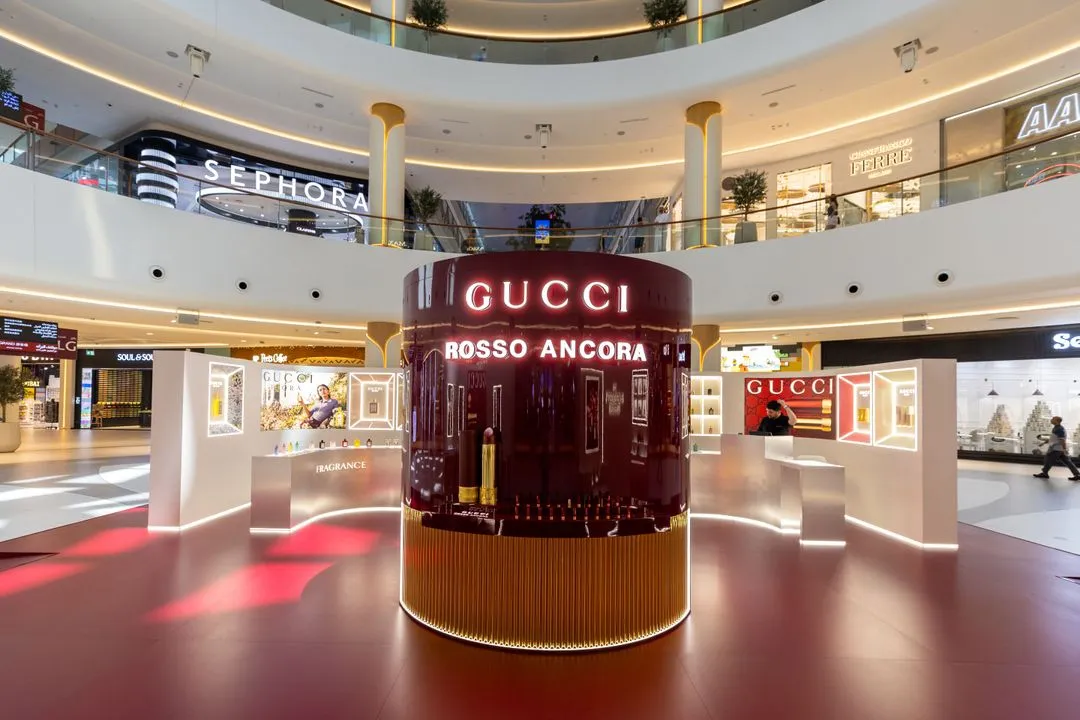
The retail landscape leading into 2026 is defined by more than just aesthetics. In Dubai, a storefront is the first point of contact between a brand and a customer, but it is also a technical build that must meet strict mall regulations. Success depends on moving beyond renders to create displays that are functional, durable, and compliant.
For brands to remain relevant, window displays must balance visual impact with buildable reality. Understanding how to navigate the logistical and technical requirements of UAE malls is the difference between an on-time opening and a delayed launch.
Window Display Design Companies in Dubai
A well-executed display is a practical business tool. While design matters, the ability to manufacture and install within mall hours is what determines project success. This guide examines the shifts in visual merchandising through the lens of execution and reliability.
Key Takeaways
- The storefront is a high-traffic asset that requires high-quality finishes and regular maintenance.
- Reliable execution is more valuable than complex designs that cannot be built or maintained.
- Success in the UAE requires strict adherence to mall guidelines and authority approvals.
- Sustainability is now a requirement for material selection and energy consumption.
- Coordination between joinery, MEP, and site teams is essential for hitting handover dates.
The Evolution of Visual Merchandising in the UAE
Visual merchandising in Dubai has moved away from static, permanent setups toward modular, adaptable environments. The focus is no longer just on filling a window, but on creating a high-quality finish that reflects the brand’s standards under intense mall lighting.
Shifting from Static to Dynamic Retail Environments
Retailers are increasingly moving toward dynamic displays that allow for quick seasonal updates. Motion graphics and digital content management systems (CMS) are replacing fixed signage. This shift allows a store to update its messaging without needing a full site team for every campaign change.
However, adding digital elements requires careful MEP coordination. Heat dissipation for screens and access points for maintenance are critical factors that must be addressed during the fit-out stage, not as an afterthought.
The Role of Mall Guidelines in Dubai Storefronts
Every major mall, from Dubai Mall to Mall of the Emirates, has specific design and safety criteria. Successful brands work within these constraints to ensure their storefronts are approved by mall management and Civil Defense.
Feature
Traditional Approach
Modern Execution
Display Style
Fixed Joinery
Modular & Reconfigurable
Technology
Static Graphics
Integrated Digital Signage
Maintenance
High-effort/Manual
CMS-led Updates
Compliance
Standard Safety
Full Mall Authority Adherence
Content Adaptation Through Data
Stores in the UAE are becoming more technical. We are seeing a move toward displays that can adapt content based on foot traffic data. This isn't about "innovation" for its own sake; it’s about making sure the message in the window remains relevant to the specific demographic walking the mall floor at that hour.
Real-Time Content for Mall Foot Traffic
Modern displays can now use sensors to adjust brightness or content based on the proximity of shoppers. From a fit-out perspective, this means ensuring stable data connectivity and power loads at the storefront—logistics that must be managed early in the site preparation phase.
Data-Backed Visual Strategy
Using data to drive design helps ensure the display actually works. By reviewing which displays stop traffic, brands can refine their joinery and lighting choices for the next campaign. This practical feedback loop makes the physical space a more effective business asset.
Sustainable Fabrication and Material Choice
Sustainability is no longer a buzzword; it is a procurement reality. Mall authorities and global brands now demand materials that reduce waste and energy use.
Reducing the Footprint of Retail Displays
High-end displays often require significant energy. Switching to high-efficiency LED systems is now standard to meet mall power consumption caps. Additionally, we are seeing a shift toward modular components that can be reused across different locations, reducing the need for new fabrication for every season.
Recyclable Materials in Luxury Storefronts
Luxury retail is moving toward high-quality, sustainable materials like FSC-certified wood and recycled acrylics. The challenge for a fit-out lead is ensuring these materials meet fire-rated safety standards and mall approvals while maintaining a premium finish.
Augmented Reality and Interactive Windows
Digital tools are being used to extend the store’s footprint. In the UAE, tech-savvy shoppers expect more than just a mannequin.
Connecting Digital and Physical Retail
Augmented Reality (AR) allows customers to interact with a window display through their mobile devices. For a project lead, this means the physical display must be perfectly calibrated to work with the digital overlay. Precision in the placement of graphics and lighting is essential for the tech to function correctly.
Interactive Displays and Engagement
Interactive windows turn a passive viewer into an active participant. These setups require specialized coordination between the tech provider and the Retail Fitout Company to ensure sensors are hidden but functional, and that cables are managed within the joinery.
3D Printing in Custom Displays
3D printing is becoming a standard tool for creating bespoke props and complex geometries that traditional joinery cannot achieve.
Precision for Detailed Brand Elements
3D printing allows for high-precision finishes on complex brand assets. This tech is particularly useful for luxury brands that require unique, one-off elements for a specific launch. It bridges the gap between a designer’s vision and what can be physically installed.
Rapid Prototyping for Seasonal Handovers
The retail calendar in Dubai—driven by Ramadan, Eid, and the Dubai Shopping Festival—leaves no room for error. 3D printing allows for rapid prototyping, so brands can sign off on physical samples quickly before the final production run begins.
Digital Signage and Motion Graphics
Digital signage is now the backbone of the modern storefront. However, it must be executed with a focus on longevity and environmental conditions.
Managing High-Impact Visuals
Digital panels must be bright enough to compete with mall lighting and high-glare environments. Proper installation requires high-brightness panels and cooling systems to ensure the hardware doesn't fail during long mall operating hours.
Syncing Internal and External Branding
Consistency between the window and the store interior is vital. Synchronizing content across multiple screens requires a robust IT infrastructure. We ensure that the MEP and IT cabling are integrated into the fit-out from day one to avoid messy exposed wires later.
Minimalist Sophistication and Finish Quality
Luxury is increasingly defined by the quality of the finish rather than the quantity of the decor.
Learning from Global Standards
Brands like Louis Vuitton demonstrate that a clean, minimalist display requires perfect execution. When there are fewer elements in a window, every joint, paint finish, and light fixture is under scrutiny. There is no room for poor craftsmanship.
Quality Over Quantity
A focused display highlights the product. This approach reduces clutter and emphasizes the quality of the fabrication. For the site team, this means focusing on the "snag-free" delivery of every single component.
Partnering with Retail Fit-out Experts in Dubai
The Dubai market is too competitive for "good enough." Successful brands partner with companies that understand the local landscape, mall authorities, and the technical requirements of high-end fabrication.
Why Local Expertise is Mandatory
Navigating mall management, Civil Defense approvals, and Dubai Municipality regulations is complex. A local fit out expert knows how to secure a Permit to Work (PTW) and manage night-shift installations to meet a store opening date without compromising on quality.
Professional Fabrication for Durability
High-quality fabrication ensures that a display looks as good on day 60 as it did on day 1. This requires using materials that can withstand 24/7 mall lighting and humidity fluctuations.
Feature
Internal Management
Professional Fit-out Lead
Authority Approvals
High Risk of Delay
Guaranteed Compliance
Material Sourcing
General
Specialized & Fire-Rated
Site Coordination
Often Fragmented
Unified MEP/Joinery/Signage
Timeline
Variable
Fixed Handover Dates
Optimizing Foot Traffic Through Lighting
Lighting is the most effective tool for drawing shoppers into a store, but it is often the most poorly executed.
Shopper Psychology and Sightlines
A window display has only a few seconds to capture attention. We focus on sightlines—ensuring that the most important products are positioned exactly where the shopper's eye naturally falls as they walk down the mall corridor.
Technical Lighting for Luxury Results
A flatly lit window is a missed opportunity. We use a combination of accent, ambient, and task lighting to create depth. Proper lux levels and color temperatures are calibrated to ensure the product colors are accurate and the display stands out against the surrounding mall environment.
Practical Takeaway
A successful Window Display in Retail is a balance of design and disciplined execution. Before committing to a complex concept for 2026, ensure your fit-out partner has the capacity to manage mall approvals, MEP requirements, and high-end joinery within the realities of the UAE’s strict construction timelines. Focus on buildability and material durability to ensure your storefront remains a high-performing asset throughout its lifecycle.