
Common Retail Fit Out Mistakes and How to Avoid Them
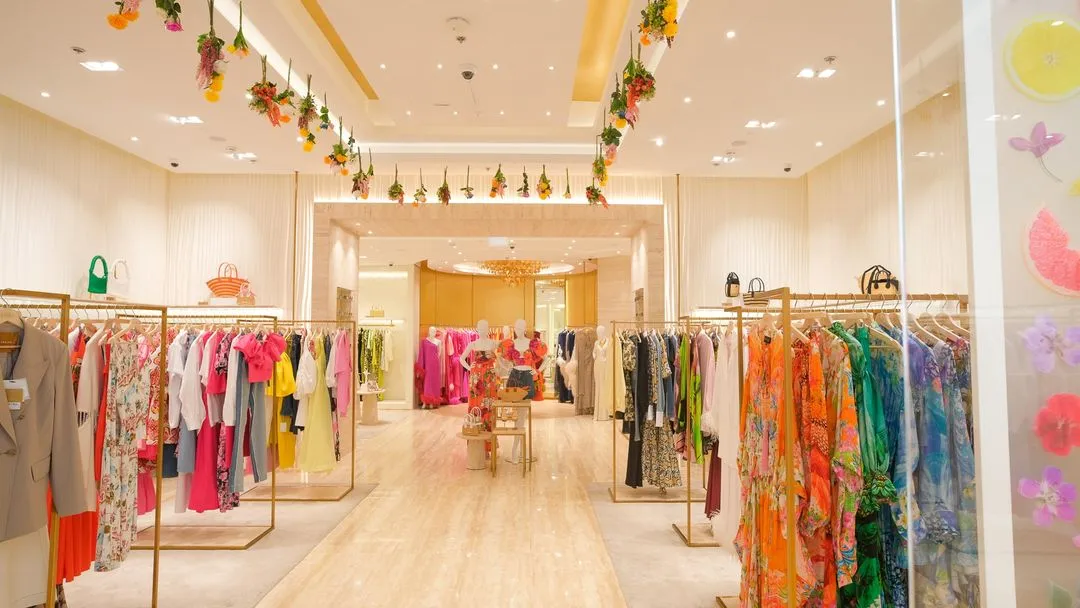
Opening a store in the UAE is high stakes. The rents are high, the competition is fierce, and the timelines are always tight.
Whether you are opening a flagship in Dubai Mall or a boutique in Abu Dhabi, the gap between a 3D render and a finished store is where the money is lost.
We see the same issues derail projects time and again: designs that don't account for mall guidelines, MEP clashes that get discovered a week before handover, or finishes that look cheap under real lighting.
The good news is that these aren't bad luck-they are operational gaps. If you know where the pitfalls are, you can plan around them.
This guide covers nine practical execution mistakes we see in UAE retail Fit Outs and how to engineer them out of your project before you start.
1. Inadequate Planning and Project Management
Most Fit Out disasters happen before a single hammer is swung. The biggest lie in our industry is "we'll figure it out on site."
In a mall environment, you don't have the luxury of figuring it out as you go. Access is restricted, noise permits are strict, and logistics are a nightmare.
Why the Pre-Construction Phase Matters
If you don't have a fully coordinated set of drawings (Design, MEP, Structural, and Fire) before you start, you are guaranteed to face delays.
- Site Surveys are Non-Negotiable: Never trust the landlord's drawings blindly. We often find columns shifted by 50mm or AC ducts lower than indicated. If you order joinery based on old drawings, it won't fit.
- Long-Lead Items: In the UAE, specialized materials often come from Europe or Asia. If your stone takes 12 weeks to ship and your project is 8 weeks long, you have a problem. You need to order early or re-specify locally.
The Cost of Rushing
When you rush the start, you pay for it at the end. Rushing leads to uncoordinated MEP works-like a sprinkler head landing exactly where a pendant light is supposed to be. Fixing that on the ceiling is 10x more expensive than moving a line on a CAD drawing.
2. Neglecting Brand Identity in Your Build
Your Retail Fitout is the physical proof of your brand promise. If your marketing screams "luxury" but your store has poorly joined veneers or flickering lights, the customer loses trust instantly.
The Storefront is Your Billboard
In UAE malls, your storefront facade is your most valuable asset. It has to compete with global giants next door.
- Height Matters: Many brands make the mistake of keeping the storefront low. Use the full height allowed by the mall tenancy guidelines to maximize presence.
- Durability: The facade gets the most abuse-trolleys, cleaners, and foot traffic. Use high-impact materials at low levels to keep it looking fresh.
Cohesive Interiors
It’s not just about colors. It’s about the tactile experience. How heavy is the door handle? Do the drawers soft-close? Does the fitting room mirror make the customer look good? These subtle physical cues tell the customer if you are a premium brand or a budget one.
3. Underestimating the Real Cost of Fit Out
A quote from a contractor is rarely the final number unless you have a rock-solid scope. Budget blowouts usually come from the things you didn't see in the excel sheet.
Hidden Costs in UAE Fit Outs
- Mall Fees: Landlords charge design review fees, hoarding deposits, and utility connection charges. These are often excluded from contractor quotes.
- Night Works: Malls usually restrict noisy works (drilling, demolition) to night shifts (10 PM – 6 AM). This increases labor costs.
- Approvals: Civil Defense and Municipality inspections have official fees, but they also require specific safety consultants which cost money.
- Modifications: Upgrading the landlord’s existing power load or chilled water supply is expensive. Always check if the unit’s existing provision meets your design needs before signing the lease.
Contingency is Essential
Always hold a 10-15% contingency. You might uncover a structural issue when you demo the existing floor, or a specific material might be out of stock, forcing you to air-freight a replacement.
4. Poor Layout and Flow
A store can look beautiful but fail operationally. If customers get bottlenecked at the entrance or staff have to cross the sales floor to restock shelves, you lose efficiency.
Operational Reality Check
- The "Decompression Zone": Don't clutter the first 2 meters of the entrance. Customers need space to adjust from the mall corridor to your store environment.
- Cash Desk Location: Don't hide it, but don't let it dominate. It needs data and power, which means cabling through the floor. Once the floor is down, moving the POS is a major headache.
- Stockroom Access: Can you restock the floor without disrupting customers? Is the stockroom shelving efficient? We often see back-of-house areas squeezed so tight they become unusable.
5. Lighting Mistakes
Lighting is the difference between a warehouse and a boutique. It is the most technical part of the Retail Fit Out and the easiest to get wrong.
Common Lighting Failures
- Wrong Color Temperature: Mixing 3000K (warm) and 4000K (cool) lights by accident makes the ceiling look messy.
- Poor CRI (Color Rendering Index): If your CRI is low, a red dress will look brown. In retail, you need a CRI of 90+ to show true product colors.
- Heat Load: Inefficient lighting adds heat. This forces your AC to work harder, which might exceed the cooling capacity provided by the mall.
The Fix
Layer your lighting. You need ambient light for general navigation, accent light to pop the merchandise, and task light for the POS and fitting rooms. And always buy spare drivers-they are the first thing to fail.
6. Selecting the Wrong Retail Fit Out Partner
The lowest bid is often the most expensive choice in the long run. If a contractor is 30% cheaper than everyone else, they have either missed something in the scope, or they plan to hit you with variation orders later.
What to Look For
- Mall Experience: Have they worked in Dubai Mall, Mall of the Emirates, or Yas Mall before? Each mall has a strict portal for logistics and approvals. A contractor who doesn't know the system will lose weeks just trying to get materials on site.
- In-House Teams: Do they have their own joinery and MEP teams, or do they subcontract everything? Subcontracting layers add risk and communication gaps.
- Financial Stability: Can they fund the material purchases? If a contractor relies on your advance payment to buy materials for their previous project, run away.
7. Ignoring Authority Approvals
In the UAE, you cannot open without a completion certificate. To get that, you need approvals from the Municipality, Civil Defense, and the Mall Management.
The Approvals Bottle-neck
- Fire & Safety: Your design must comply with the UAE Fire & Life Safety Code. This dictates sprinkler locations, smoke detectors, and emergency exit widths. You cannot compromise on this.
- Inspections: Inspections need to be booked days in advance. If you fail an inspection because a smoke detector is taped over, you go to the back of the queue. This is the most common cause of missed opening dates.
8. Failing to Design for Flexibility
Retail moves fast. A fixed joinery unit might work today, but what if you launch a new product line next season?
Future-Proofing
- Modular Fixtures: Use shelving systems that can be adjusted without tools.
- Power Locations: Install extra floor boxes or track lighting. It allows you to move displays around without needing an electrician.
- Digital Integration: Plan for screens and digital signage cabling now, even if you don't install the screens yet. running cables behind a finished wall later is messy and expensive.
9. Prioritizing Aesthetics Over Functionality
We all love a beautiful render, but materials have to survive the real world.
Material Reality
- Flooring: High-gloss white floors look amazing in photos but show every scuff mark and footprint. In a high-traffic store, you will be polishing it every night.
- Delicate Fabrics: Using silk or velvet on customer seating areas wears out in weeks. Use commercial-grade fabrics with high rub counts.
- Maintenance Access: Don't build a beautiful gypsum ceiling that blocks access to the AC units. You will need to service that AC, and you don't want to cut a hole in your ceiling to do it.
The Takeaway
A successful Retail Fit Out isn't just about the opening party. It's about the 364 days that follow.
It requires a team that understands the friction between design desires and construction realities. Focus on early coordination, respect the approval process, and build for durability. That is how you protect your investment.