
Complete Step-by-Step Interior Fit-Out Process Guide
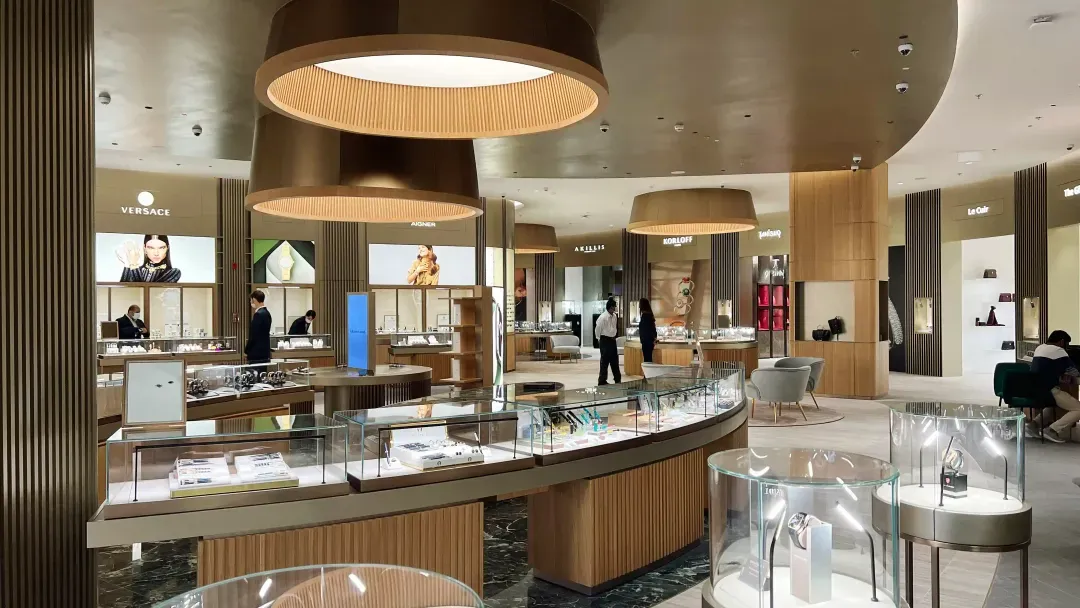
Taking a retail or commercial space from a shell to an operational store requires more than a design concept. In Dubai’s high-pressure retail environment, success depends on navigating mall regulations, securing authority approvals, and managing site logistics.
Whether you are working with a Interior Fit-Out contractor or managing the project internally, the sequence of execution determines if you open on time or face late-opening fines.
Understanding the Scope of Your Retail Fit Out
The first step is identifying the starting point of the unit. This dictates your budget and the technical complexity of the build.
The Reality of Retail Fit Outs
A fit-out is a technical exercise. While design is important, the space must function under heavy footfall.
- Space Planning: Designing for efficient customer flow and staff movement.
- MEP Integration: Ensuring AC, fire fighting, and electrical systems meet both mall and Civil Defence standards.
- Brand Execution: Using materials that reflect the brand but are durable enough for retail use.
Selecting Retail Fit Out Companies in Dubai
Your choice of Retail Fit Out Contractor is the most significant risk factor. In Dubai, a contractor must be more than a builder; they must be a coordinator who understands local bureaucracy.
Technical Competence and Track Record
Check past projects specifically within the mall or building where you are located. A contractor who knows the specific requirements of Dubai Mall or Mall of the Emirates will navigate their technical guidelines faster than a newcomer.
Licenses and Compliance
Verify that the contractor holds the necessary trade licenses and insurance (Workmen’s Compensation and Third-Party Liability). In the UAE, you cannot bypass safety codes. Ensure they have a history of passing Dubai Civil Defence (DCD) and Dubai Municipality (DM) inspections without repeated failures.
Navigating the Approval Process
This is where most timelines fail. Construction cannot begin until the "Work Start Permit" is issued.
Local Authorities and Mall Management
You will likely need approvals from several bodies:
- Dubai Development Authority (DDA) or Dubai Municipality (DM).
- Dubai Civil Defence (DCD): For life safety and fire systems.
- DEWA: For electrical load and water connections.
- Concordia / Mall Technical Teams: Each mall has its own set of Retail Fitout guidelines that are often stricter than government codes.
Documentation Requirements
To avoid delays, ensure your technical pack includes:
- Detailed architectural and MEP drawings.
- Material Safety Data Sheets (MSDS) for all finishes.
- Structural calculations for any mezzanines or heavy fixtures.
Design Development and Technical Specs
A render is not a construction plan. Before moving to the site, the concept must be translated into Approved for Construction (AFC) drawings.
Architectural and Engineering Drawings
Detailed drawings must account for every conduit, sprinkler head, and AC diffuser. Misalignment between the ceiling plan and the MEP drawings leads to site clashes that halt work.
Procurement and Long-Lead Items
In Dubai, certain luxury materials or specialized lighting fixtures may have long lead times. Effective project leads order these during the approval phase to ensure they arrive before the final week of the build.
Site Preparation and MEP Works
Once the hoarding is up, the focus shifts to the "hidden" part of the build.
- Site Mobilization: This involves setting up safety protocols and temporary power. In malls, most of this happens during night shifts to avoid disrupting public areas.
- Infrastructure Protection: Existing mall services (like chilled water lines or smoke sensors) must be protected. Damage to mall property results in heavy fines and immediate site closure.
Structural Works and Partitions
This phase defines the layout. It moves quickly but requires high precision.
- Framing and Drywall: Using the correct gauge of metal studs and fire-rated gypsum board is non-negotiable.
- Ceiling Installation: Most retail designs involve complex bulkheads. These must be built to allow access for future MEP maintenance through concealed hatches.
MEP, HVAC, and Fire Safety Systems
The "invisible" systems are the most heavily regulated part of the project.
- Electrical and Plumbing: Wiring and piping must be inspected before walls are closed. Load balancing is critical to prevent power trips during peak hours.
- HVAC and Fire Safety: The AC must handle Dubai’s heat loads while integrating with the mall’s smoke extract system. All sprinklers and detectors must be positioned according to the approved DCD drawings.
Interior Finishes and Joinery
This is the visible part of the project. In luxury retail, the margin for error on finishes is zero.
- Flooring and Painting: Surfaces must be level and durable. Retail floors take a lot of abuse; the installation must be flawless to prevent cracking.
- Custom Joinery: Display units and counters are often manufactured off-site in a joinery workshop and assembled on-site. This reduces dust and speeds up the final installation.
Quality Control and Handover
The final 5% of the project often takes 20% of the effort.
Snagging and Rectification
Walk the site with a critical eye. Look for paint touch-ups, aligned signage, and functioning locks. A "snag-free" handover is the goal, but rectification usually happens in the final 48 hours before launch.
The Completion Certificate
The project is not finished until you have the BCC (Building Completion Certificate) or the mall's equivalent. This involves final inspections from Civil Defence and the mall’s technical team to ensure the space is safe for the public.
Practical Takeaway
Execution Reality: In Dubai retail, the "Design" phase is only 30% of the job. The remaining 70% is managing the logistics of approvals, mall night-work restrictions, and authority inspections. Always build a two-week buffer into your timeline for the final testing, commissioning, and authority sign-offs.